


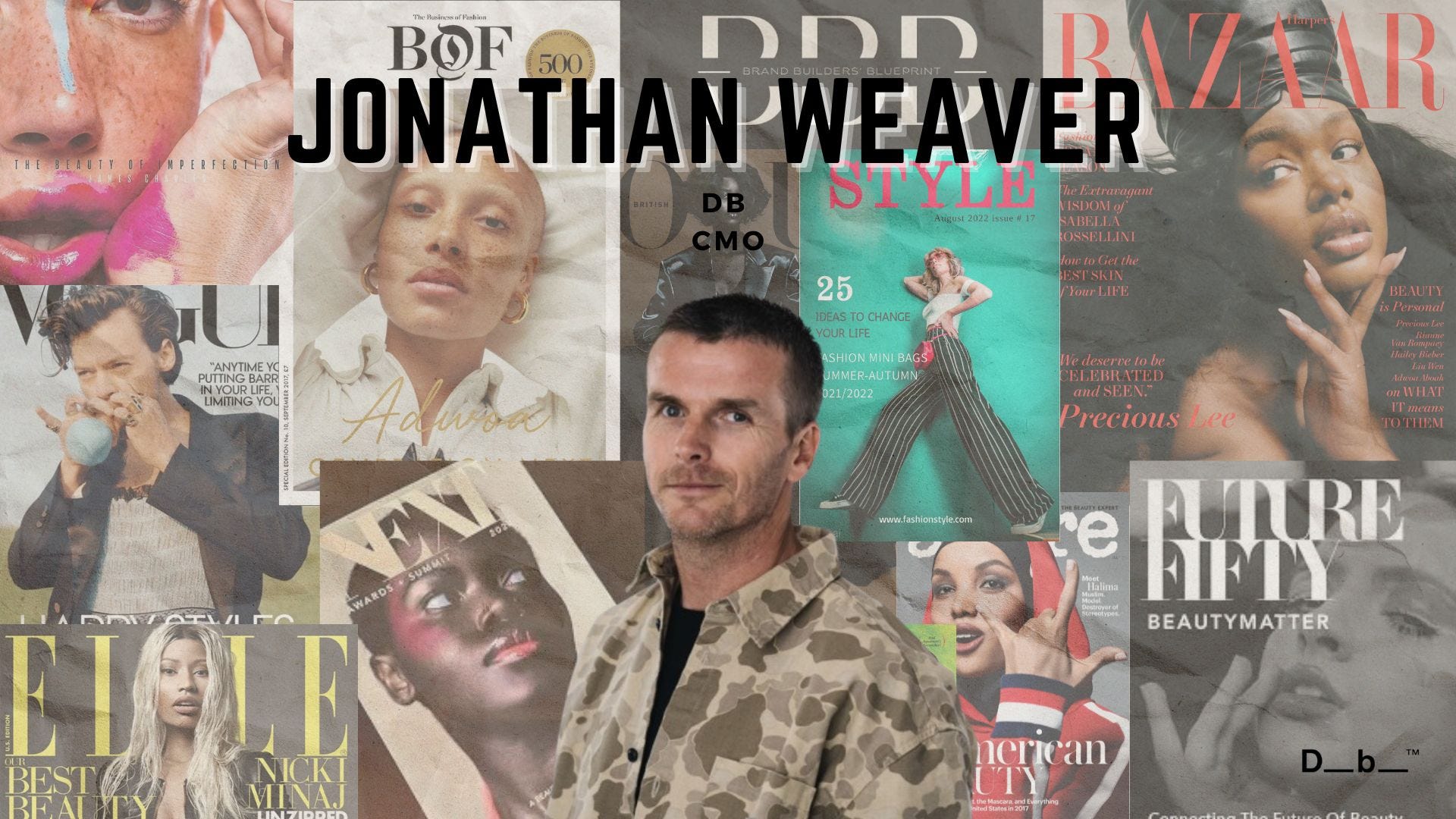
Meet Jon:
From the moment you start talking to Jon, it’s clear he’s got that rare mix of humility and mischief that makes great brand leaders so magnetic. What began as a semi-pro athlete learning to “market himself”, evolved into a sharp instinct for storytelling and culture resulting in Jon leading marketing teams for industry giants like Burton Snowboards and Nike.
Now, as CMO at Db, Jon is building a brand that punches well above its weight. His philosophy is simple but powerful: obsess the insight. Understand the human truth first, and everything else follows. Our chat spans color-changing snow boots, breakout marketing philosophies, and the art of continuous learning. But the thread through it all is clear: the best brands, like the best riders, are curious, strive to be constantly creative and never stop hustling.
The Interview:
Why the apparel and marketing world industry?
Honestly, I kind of fell into it through snowboarding. It was my passion growing up and has sort of ended up shaping everything I’ve done since. I was semi-pro and got sponsored, did a few trips, worked with magazines and filmmakers, and without realizing it, I was learning the basics of brand building. When you’re a semi-pro athlete, you are your own brand. You’re figuring out how to work with sponsors, tell stories, build an image, all that stuff.
When I eventually started working for Burton’s sister brand, Forum, I already had this sort of instinct for what makes brands tick, even if I couldn’t have written it on a CV at the time. We were doing these really early, scrappy brand marketing activations. We’d even run guerrilla premieres — rent a van, wrap it, pull up outside someone else’s film screening, show ours, hand out drinks and tees, then disappear. It was chaotic but brilliant.
That’s what got me hooked. The creativity, the hustle, the energy of it all. It wasn’t about big budgets or billboards; it was about finding clever, culture-driven ways to make people care. That’s where I fell in love with brand marketing and this world.
What do you wish you knew before entering the industry?
I studied international business, not marketing. So when I landed at Nike, it was like going back to university. I had a couple of incredible bosses there who really shaped how I think about marketing. One of them drilled this idea into me: “Obsess the insight” - find the consumer truth, and everything else will follow.
It sounds simple, but it completely changed how I approached things. I was probably 34 before anyone had ever said it so clearly. If you want to make great marketing, you have to understand who you’re really trying to reach, not just your general customer, but the one you want to win over and what’s actually relevant and interesting in their world right now.
A friend of mine Andrew Missingham from AKQA, one of the smartest people I know always says, “An insight is something that’s not obvious until you see it and then it’s completely obvious.” That’s stuck with me. I wish I’d learned earlier to chase that feeling, to get to the insight faster, because once you’ve got that, the creative part becomes so much easier.
Differences in working at a giant like Nike and a scaling brand like Db?
Working at Nike was incredible. It’s a place where, if you have a great idea, money and people just appear to make it happen. We did things I’d never imagined were possible. Making snow boots that changed color in the sun? No problem. But when I moved from Snowboarding to categories like Womens and Training there were so many layers of approval. Everything has to be signed off, checked, and polished, which means nothing can go too wrong… but nothing can go too right either.
At Db, it’s somewhat opposite - fast, lean, empowering. If I have an idea, I can pick up the phone to the CEO, get any quick advice, and move. We can brief, create, and release work in weeks rather than months. That speed means you actually get to see your ideas come to life quickly, which is incredibly satisfying.
Of course, it also means taking more risks. At a scaling brand, you have to be comfortable trying things that might not work, being a little scrappy, a little disruptive, because that’s how you cut through. It’s a totally different energy, but that’s what makes it exciting.
Moment you are most proud of in your career to date?
The most recent was securing investment from LVMH’s venture fund at the end of 2024. That deal took around 18 months to close and was a real marathon. Keeping the brand strong, growing, and consistent through that entire process was a huge team effort, and seeing it come together was incredibly rewarding.
The second is the team I get to work with now. We’re a small group of about 12 people, many in their mid-20s and in their first big roles and doing phenomenal work. Honestly, I look at them and think, “I wasn’t half this good at their age.” Building and leading that kind of team is something I’m so proud of.
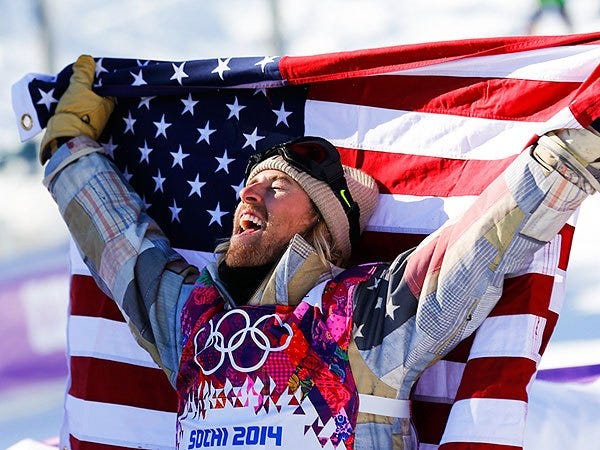
And then from the Nike days was when Sage Kotsenburg won gold at Sochi. I’d worked with Sage since he was a teenager, and seeing him land that run was amazing. The chaos came when I realized he’d dropped in without his Nike goggles. A minor heart attack moment for me in sports marketing. I ended up jumping fences, crawling under barriers, and throwing him a pair just in time for the post-win photo. He grabbed them, put them on, held up the U.S. flag and that image went everywhere. That’s Nike to a tee: making sure the swoosh shows up at the perfect moment.
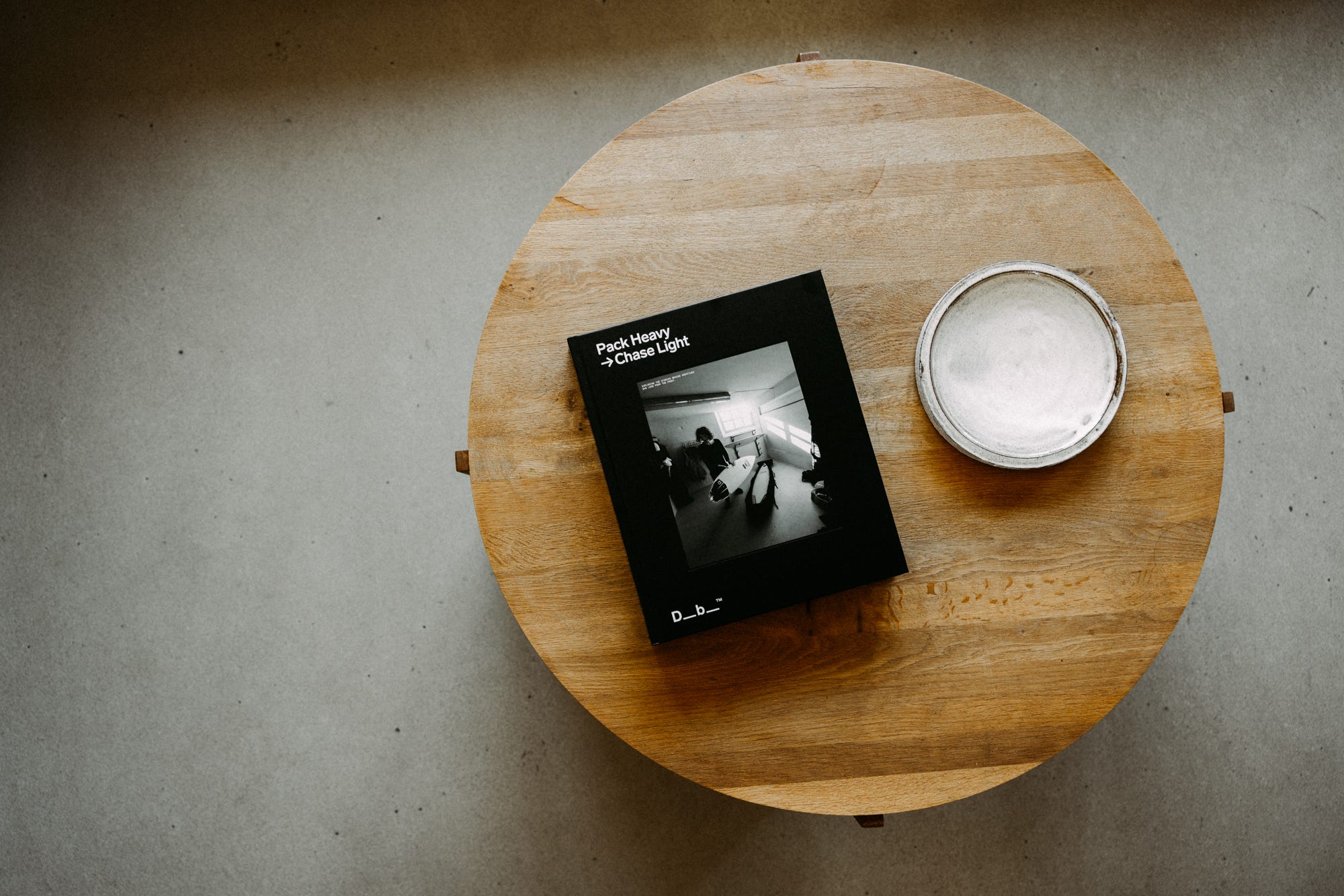
One final one is that at Db one thing we have always tried to do is in real life events, physical experiences and real life artifacts. As part of that we launched our first book, Pack Heavy, Chase Light this summer which has been an amazing moment bringing together Db, my own background and exploring the creative community who we serve.
A book you think all aspiring fashion leaders should read?
A few come to mind. Shoe Dog by Phil Knight is a must-read. It’s not a marketing book per se, but it completely changes how you see Nike. You assume it’s this century-old giant, but only 40 years ago they were selling shoes out of the back of an orange VW van. That story of grit and belief really sticks with you.
Then there’s Simon Sinek’s Start With Why, which is great for grounding yourself when it comes to marketing. And honestly, pretty much anything by Seth Godin. I love his work. He and Sinek both have that knack for making you think differently about leadership and creativity… even if, let’s be honest, they’ve been rewriting the same book under new titles for years.
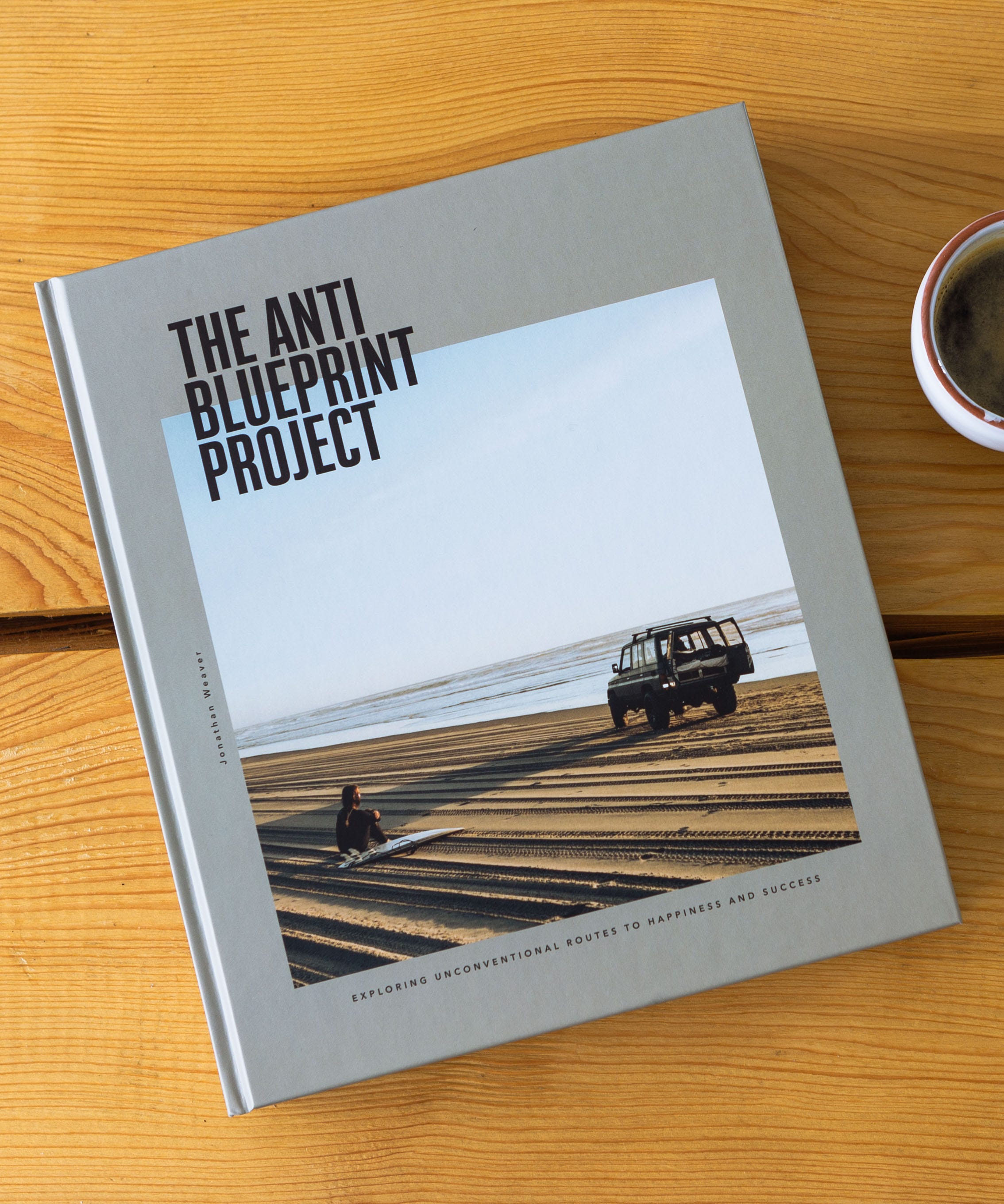
Talking of books, you also wrote “The Anti Blueprint Project” which you released and sold out of a couple of times, could you explain what that was about?
Yes, I love writing. Basically when i was living in the US, so many friends were paying crazy private school fees like 40k a year for 12 year olds. I was just thinking by the time these kids are through Uni, the parents will have spent 500k-1m on their education and chances are, if they are anything like me and my friends, they will get to 22 and decide they want to go travel the world.
Then at the same time I was looking around at my friends who gone on to have amazing, varied and, importantly, super interesting careers and most of them either dropped out of school or studied but now do something very different and so i wrote this book to try and inspire teenagers that if they don’t fit in a traditional book or are struggling academically to know that it’s all good, we are all still figuring it out.
Now that has become a Substack?
Yes, I have played around the title a bit, it started as the Snowball effect, might go back but it is also named The Anti Blueprint Project. I just needed a creative outlet and i am fascinated at the moment by brands who are blowing up and how they do it so every two weeks i look at one case study about a different brand or product. I started it as I thought kids coming up in Marketing might find it useful but pretty quickly I realised I am doing it for my own learning as much as anything else. A few subjects include why The Air Max never left the UK, How Volvo use product USPs as an emotional hook and how the Stanley Mug became a thing.
Resources you use to stay ahead?
A few go-tos for me. In the sports marketing world, Jordan Rogers, an ex-colleague, runs a great Instagram page where he breaks down campaigns and brand plays in sport. Then there’s Clayton Chambers, whose newsletter Sprezza covers men’s style and culture. I really rate his perspective. And Bimma Williams, another former colleague, does fantastic work around brand collaborations and storytelling.
Beyond that, I lean on a small circle of people I can actually call or text, mentors who keep me grounded. One of them is my old boss from Nike, Tesa Aragones. She’s brilliant. She relaunched the VW Beetle, worked at Apple, and is now president at AKQA. When I worked for her she would always ask, “Where’s your strategic house” — and drilled in the importance of knowing your objective, strategy, and tactics, and not mixing them up. Every now and then, I’ll still text her to sanity-check a framework or idea. It’s easy to lose perspective when you’re close to the work, so having people like that around is invaluable.
A skill you are actively working on to improve?
Ha, you’ll probably laugh at this but digital marketing is definitely the big one for me. When I was at university, we had computers but email was barely a thing. Then at Nike, everything was so specialized that I never really had to touch digital and was solely focused on brand marketing work. When I joined Db, suddenly there were these 23-year-olds who were digital natives and were true experts in all things paid social, click-through rates, and conversion funnels.
Last year, we went six months without a Chief Digital Officer, so I stepped in alongside our Head of Ops. Those six months were probably the steepest learning curve I’ve had in a decade. I suddenly found myself deep in data, acquisition costs, and performance dashboards. I actually loved it. Now we’ve got great people leading that area, but I still make a point to stay close to it and keep learning.
Oh and on a completely different note, I’m also learning Portuguese. That is as humbling as it gets but i need to as our kids speak Portuguese to their friends and we have zero clue what they are all yapping on about so its gone from a bit of a joke to an essential now.
Your one to watch?
Someone I met recently who really impressed me is Daniel Groh, the Chief Brand Officer at Satisfy. The way that brand is put together is just next-level. Everything from the product design to their Marathon Supply Store pop-ups, the print magazine, the content. It all just connects perfectly and there’s such a clear, consistent creative vision running through everything they do. Daniel and the team at Satisfy have done a phenomenal job.
Marketing campaign you wish you had come up with?
The campaign I wish I’d come up with is a New Balance print ad from about ten years ago back when they were kicking off the whole “dad shoe” trend. It was genius in its simplicity: just a plain product image, no model, no athlete, no celebrity, and the line read, “Worn by supermodels in London and dads in Ohio.”
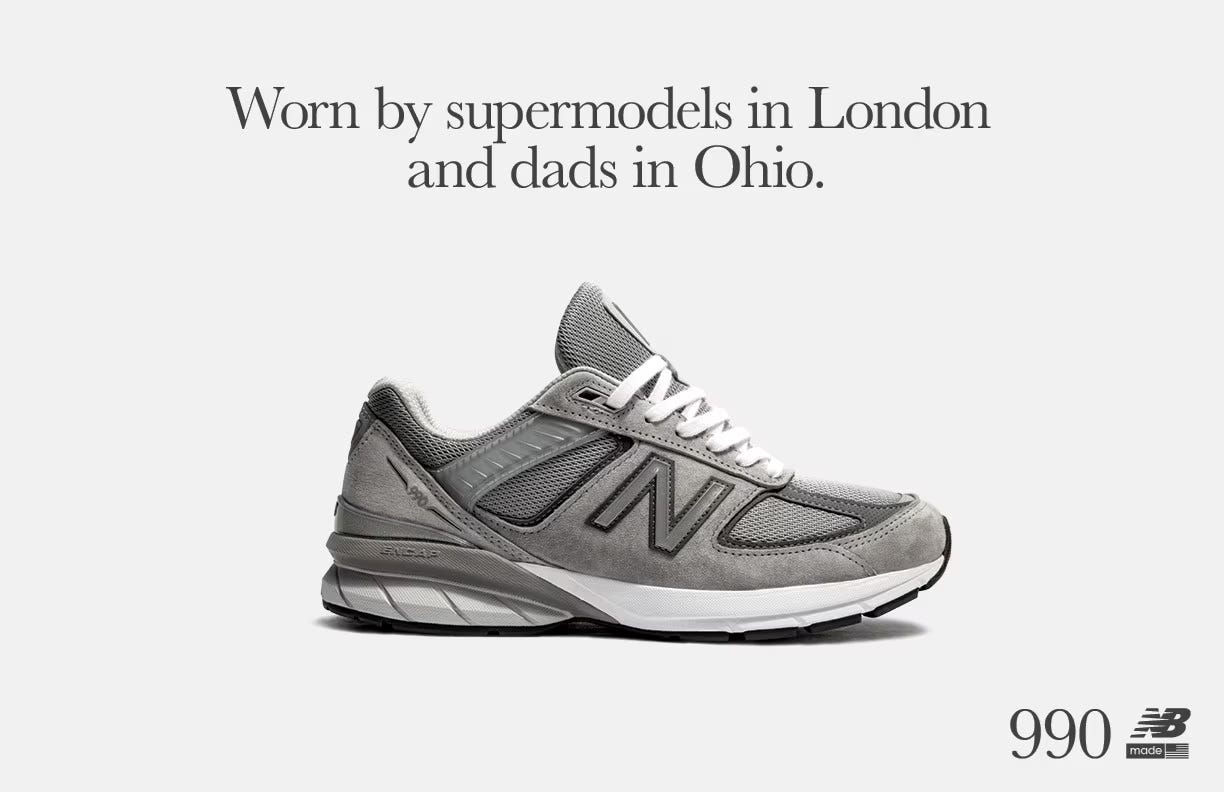
It was perfect. No flash, no overproduction. Just sharp insight and brilliant copy. At Nike, everything was big. Huge shoots, global athletes, massive storytelling. But this ad showed how powerful it can be when you strip all that away and just nail the truth of what your brand and products stand for. And that New Balance ad was spot on because it truly is worn by Ohio dads cutting grass on a Sunday afternoon as well as supermodels.
Brand / product you can't live without?
Honestly, I wore Nike head-to-toe for about 15 years - shoes, gear, everything. But these days, the one product I genuinely can’t live without is my Apple Watch. Mostly because it’s got Strava and a surf-tracking app, so it covers both my running and surfing obsessions. It’s got the point these days where if I head out for a run without it, I instantly question why I’m even doing it. I know there are Oura rings and Whoop around now but its pretty easy to use.
Industry hot take?
I think the brands that will really stand out are the ones with a clear point of view on the world — the ones willing to take risks, say something, stand up, and not just chase the algorithm.
There’s so much talk about AI right now, and while it’s an amazing tool, it’s also creating a lot of slop. Just because you can make more stuff doesn’t mean you should. I’ve seen people build entire decks with AI, and then when they have to present, it’s obvious they don’t know the work. That’s the danger. We risk drifting into a kind of homogenized creativity where every campaign looks the same because it’s been optimized to death.
So my hot take? The future belongs to the brands that stay human and the ones that take creative leaps, do things that don’t always make perfect sense in the metrics, and protect the soul of what they stand for.
Follow Jon
Jon’s Substack, The Anti Blueprint Project, is exceptional and well worth subscribing to. But also be sure to drop him a follow on LinkedIn as well.
Til next time x
Thanks so much for the interview! Great to chat all things marketing🙌🏼
What a CV 💪🏼💪🏼